

Wheelchair Accessible Hotels in Stuttgart
Search accessible hotelsStuttgart · Choose a date
Accessible hotels in Stuttgart
36 hotels found
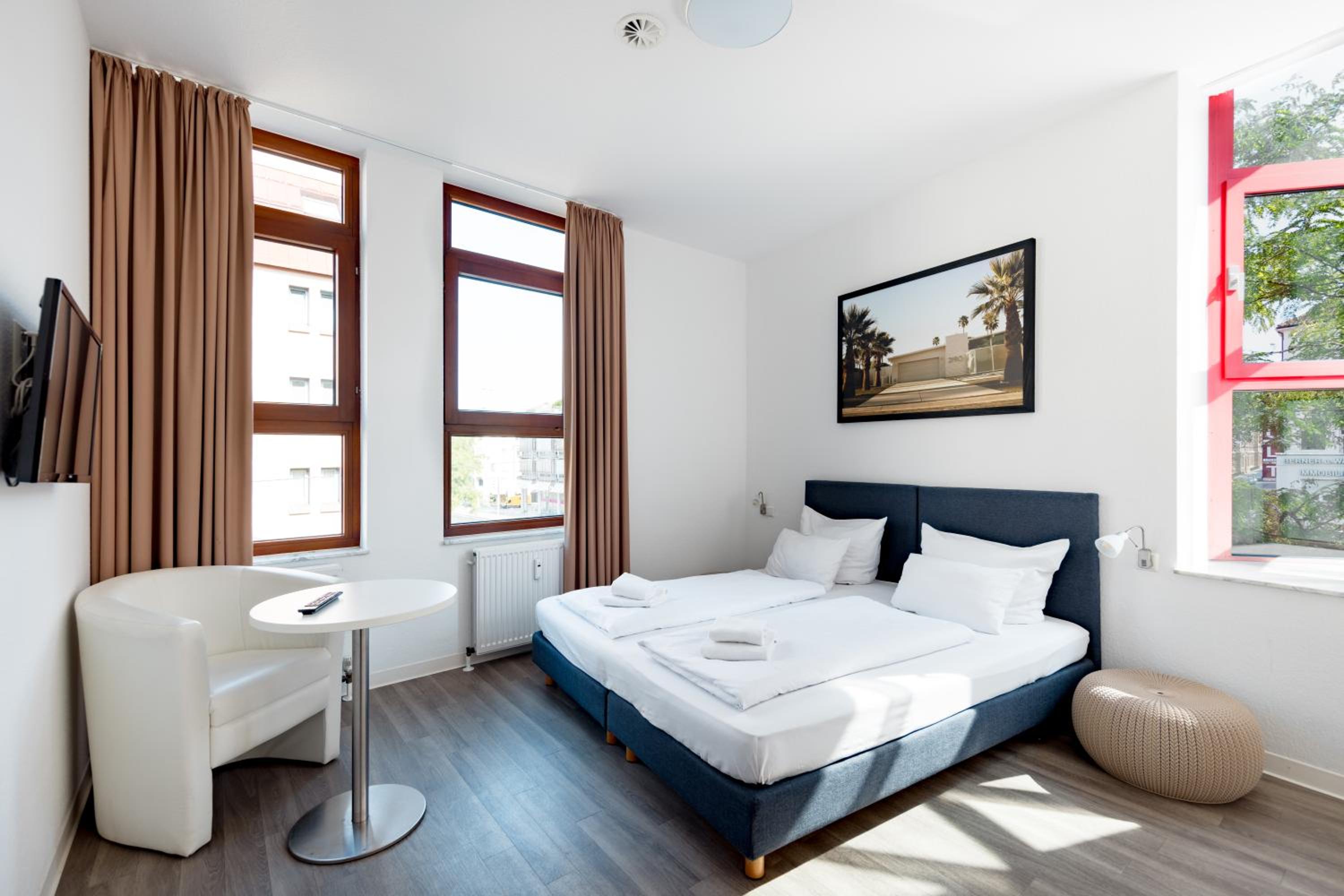
Hotel Garni am Olgaeck Stuttgart
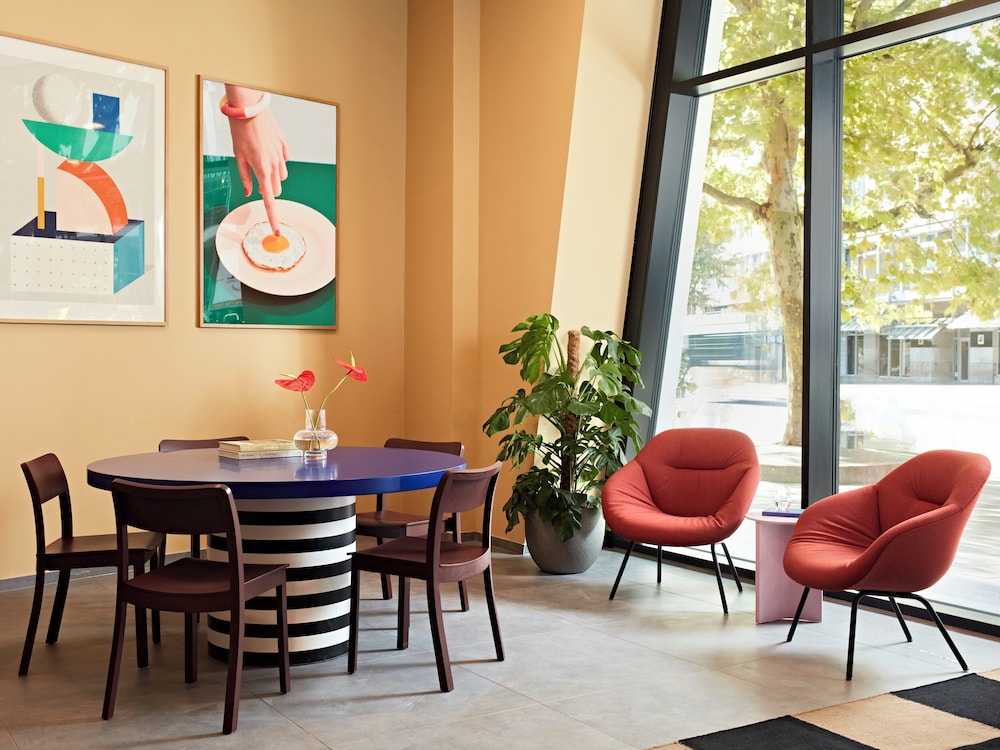
Numa Stuttgart Rotebühlplatz
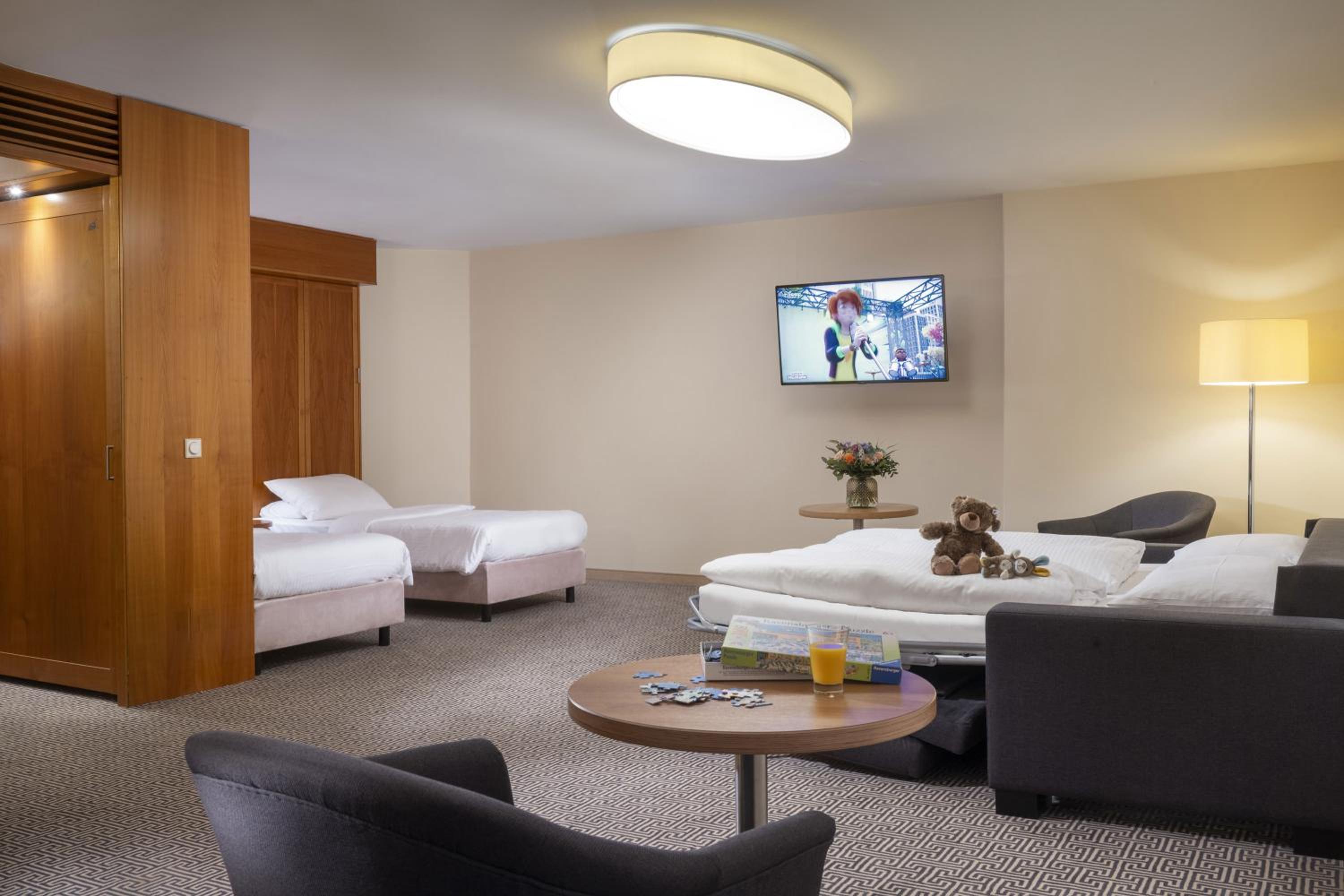
Maritim Hotel Stuttgart
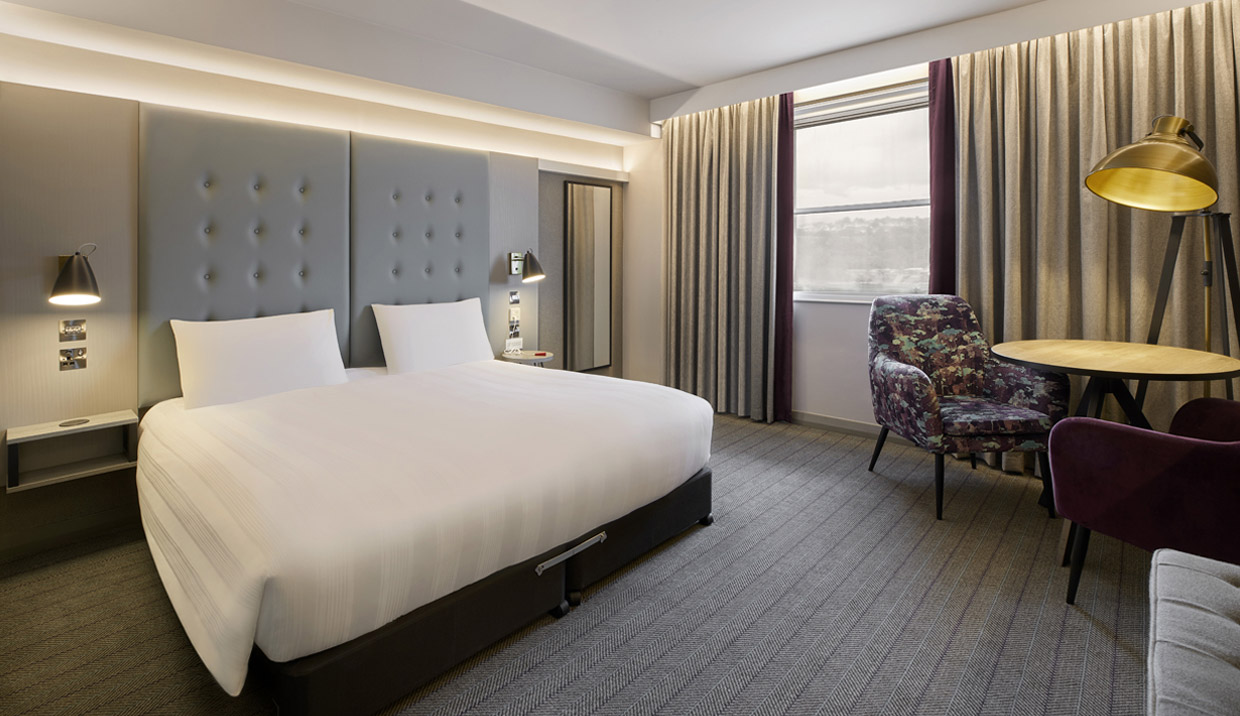
Premier Inn Stuttgart City Europaviertel Hotel
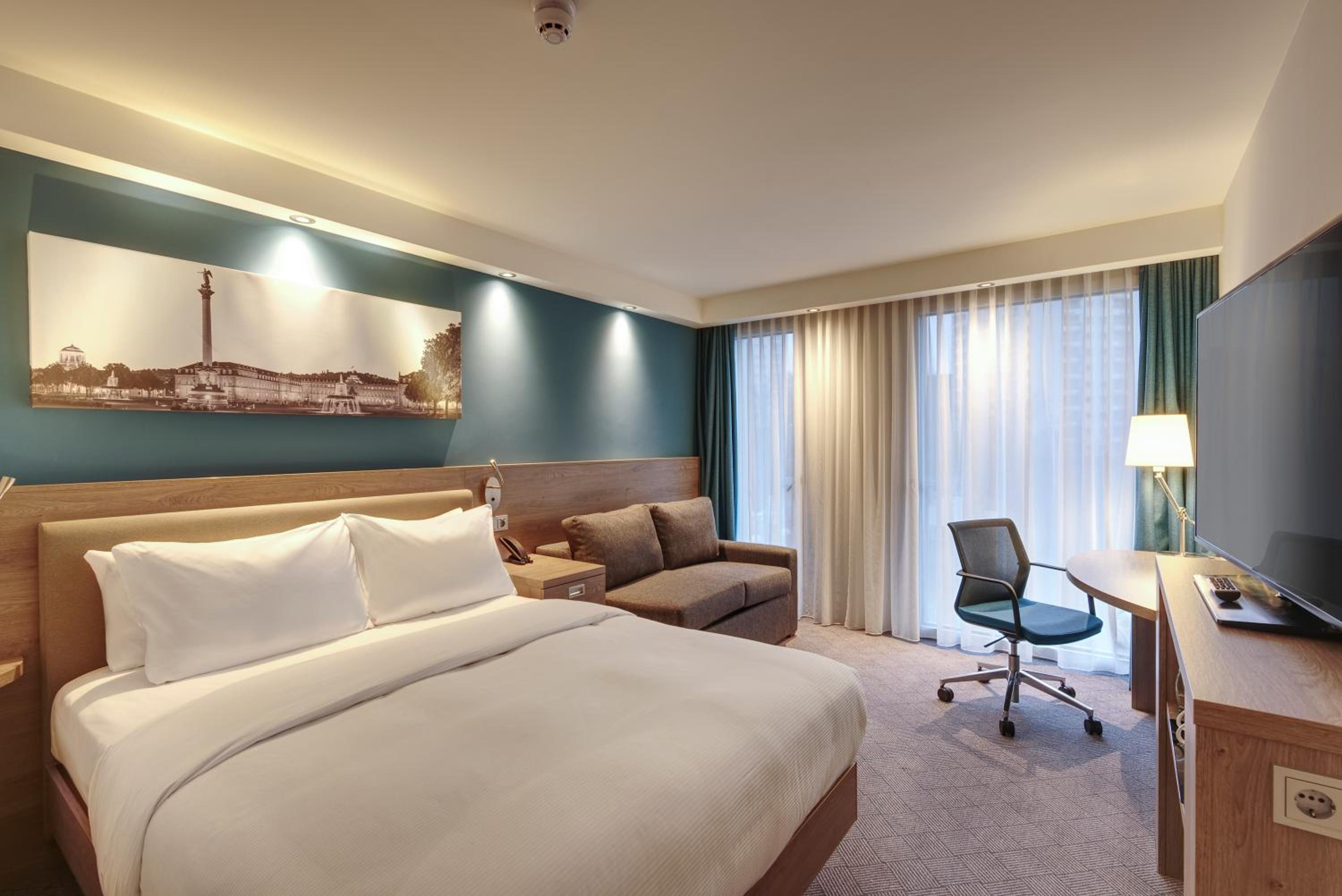
Hampton by Hilton Stuttgart City Centre
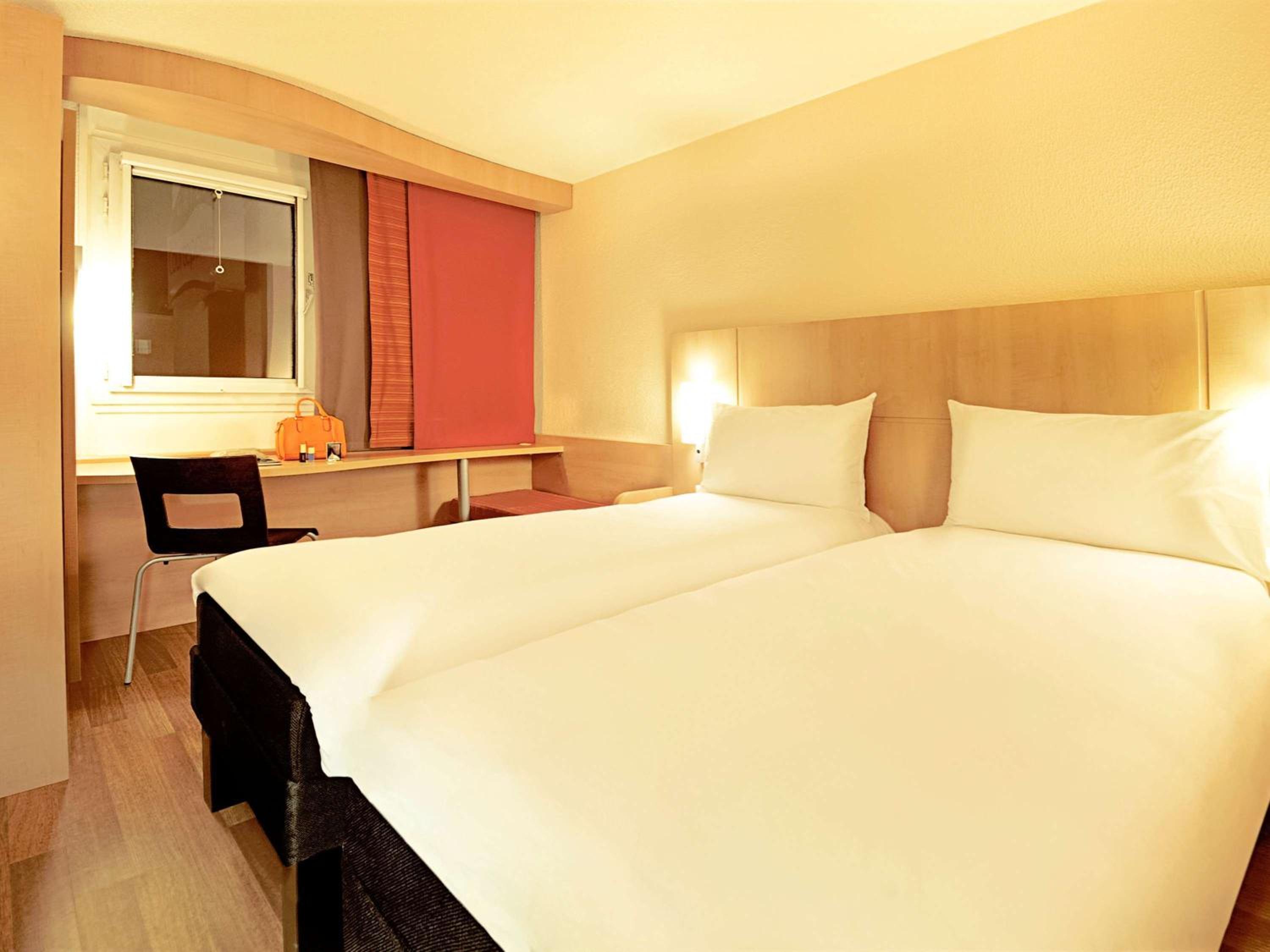
ibis Stuttgart Centrum

B&B HOTEL Stuttgart-Bad Cannstatt

Hilton Garden Inn Stuttgart NeckarPark
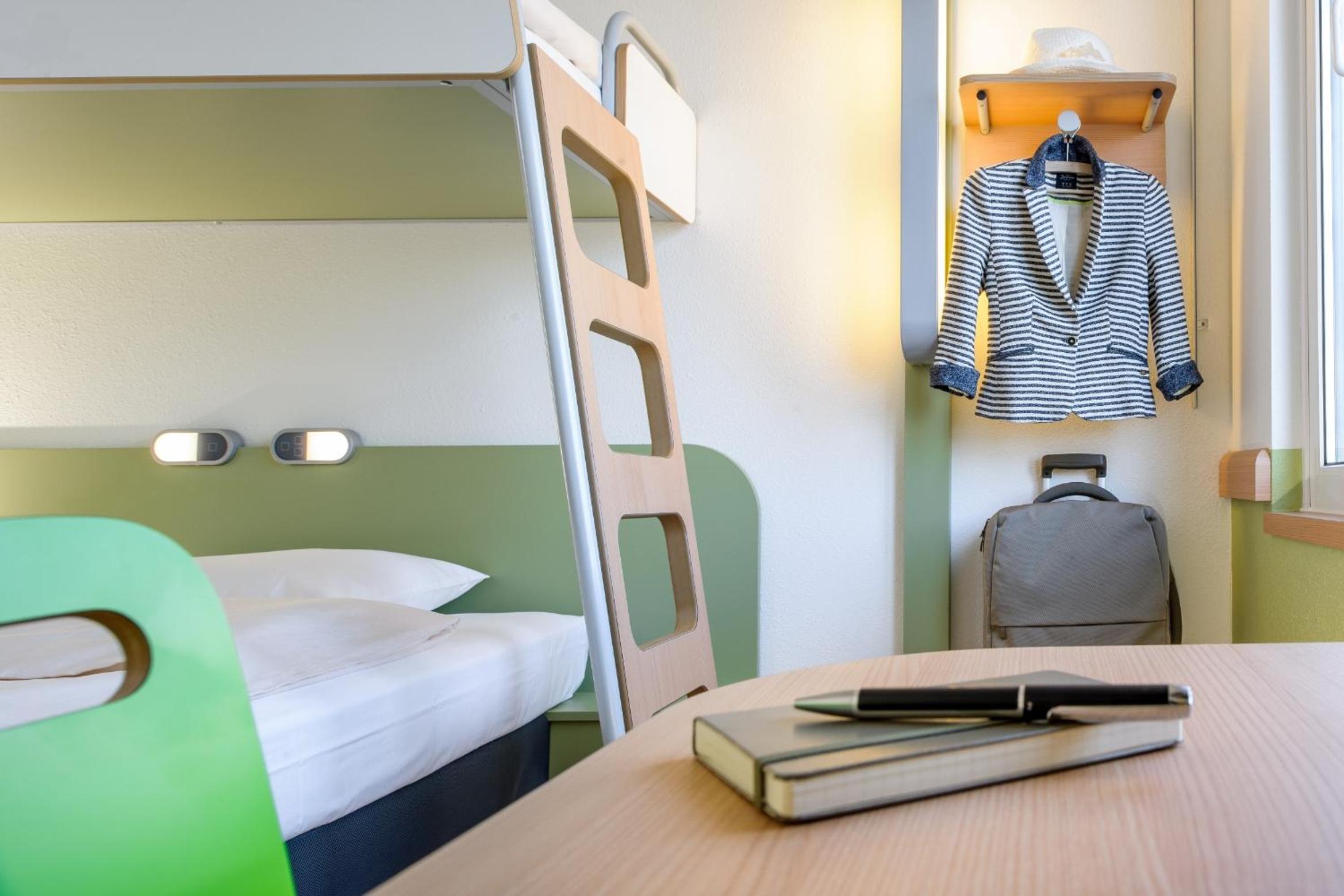
ibis budget Stuttgart City Nord
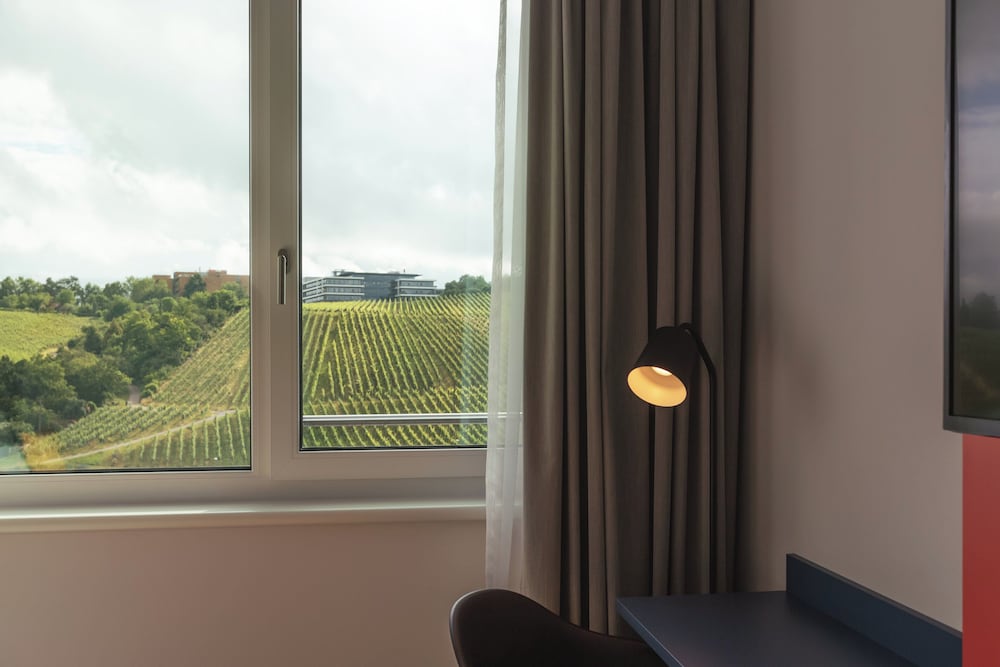
Holiday Inn - the niu, Form Stuttgart Feuerbach, an IHG Hotel
Wheelchair Accessible Hotels in Stuttgart
At a Glance
- SSB Stadtbahn platforms provide near-level boarding, with marked positions for the widest doors.
- Low-floor city buses carry fold-out ramps at the second door for wheelchair boarding.
- Schlossplatz, Schillerplatz, and Königstraße form a relatively smooth and level central route.
- Stuttgart's valley sides become steep quickly, so rail or an accessible taxi is useful for hillside destinations.
Wheelchair accessibility in Stuttgart
In Stuttgart, Germany, the SSB Stadtbahn is the practical backbone for wheelchair travel. Most platforms provide near-level entry, and markings indicate where the wider doorway will stop. Low-floor buses supplement the rail network and use a fold-out ramp at the second door. Check VVS journey information before relying on an S-Bahn station, because step-free access varies outside the central network.
The central pedestrian spine from Schlossplatz through Königstraße is much easier than the city's hilly reputation suggests. Pavements here are generally broad, crossings have dropped kerbs, and nearby Schillerplatz and Marktplatz can be reached without a sustained climb. Killesberg, Karlshöhe, Hoher Bopser, and the vineyard slopes require more planning, especially in a manual wheelchair.
Finding the right accessible hotel in Stuttgart
A hotel near Schlossplatz, Stuttgart Hauptbahnhof, or the lower end of Königstraße gives the simplest base for central sightseeing. These areas connect well to the Stadtbahn and keep the Kunstmuseum, Staatsgalerie, shopping streets, and restaurants within a manageable roll. Around the station, confirm the current pedestrian route because construction can change crossings and temporary surfaces.
Bad Cannstatt can also work when the Mercedes-Benz Museum or Wilhelma is central to the trip, but check the exact step-free station route before choosing a property. Wherever you stay, confirm the entrance threshold, lift dimensions, corridor width, bed clearance, and bathroom layout directly with the hotel rather than relying only on an accessibility icon.
What makes Stuttgart special for wheelchair users
The Staatsgalerie has a step-free approach and lifts through its galleries, while the Kunstmuseum faces Schlossplatz on the easiest central route. The Landesmuseum Württemberg in the Altes Schloss uses lifts for most public areas, although some historic spaces remain restricted. Together, these museums create a compact cultural day with short transfers.
Farther out, the Mercedes-Benz Museum's lift-led exhibition route suits visitors who want to avoid stairs, and the Wilhelma combines gardens and animal houses near public transport. The Fernsehturm is reached on the Hoher Bopser hill, so approach it by transit or taxi; its lift serves the lower observation level, subject to operating conditions.