

Wheelchair Accessible Hotels in Florence
Search accessible hotelsFlorence · Choose a date
Accessible hotels in Florence
104 hotels found
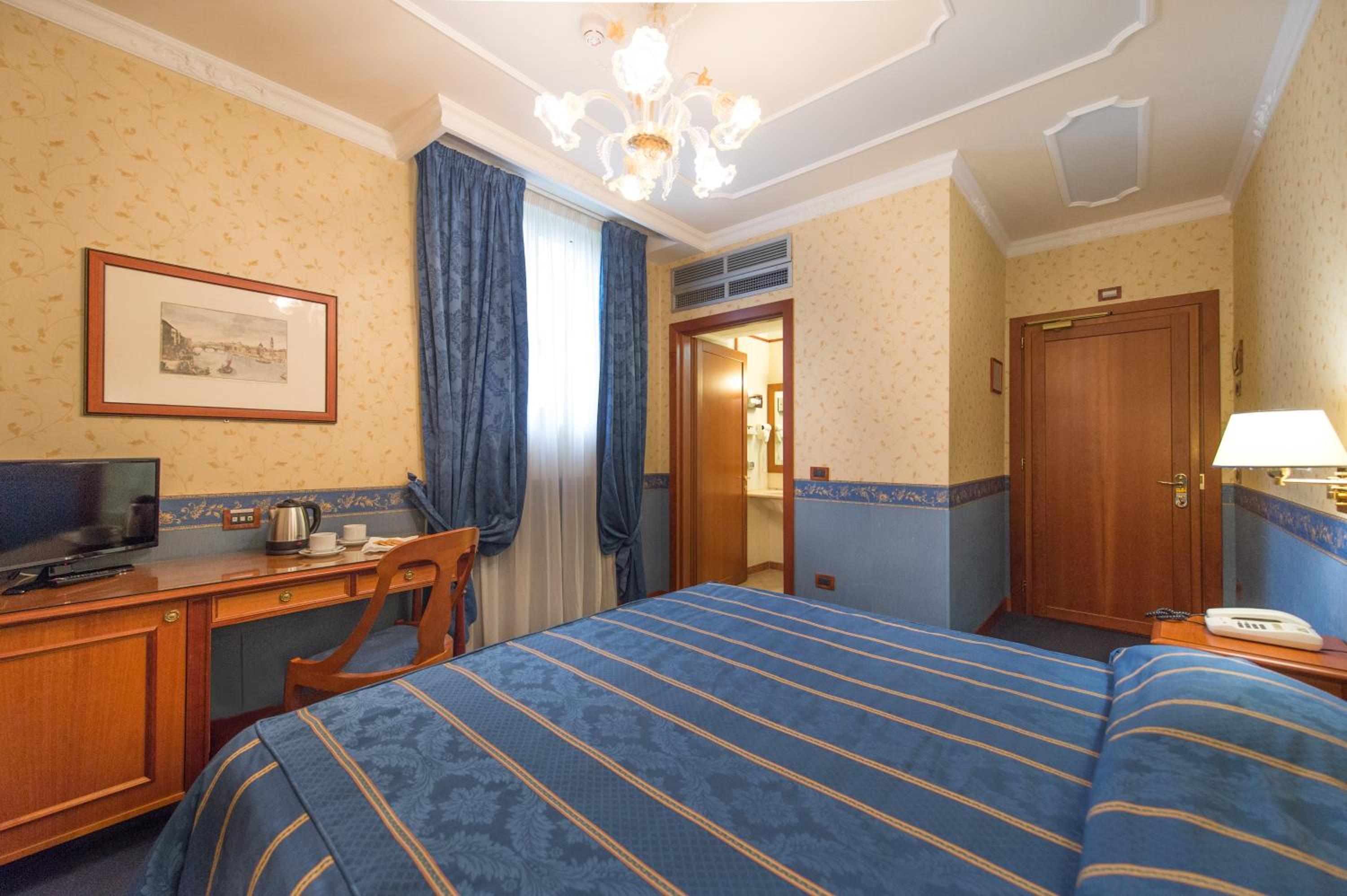
Diana Park Hotel
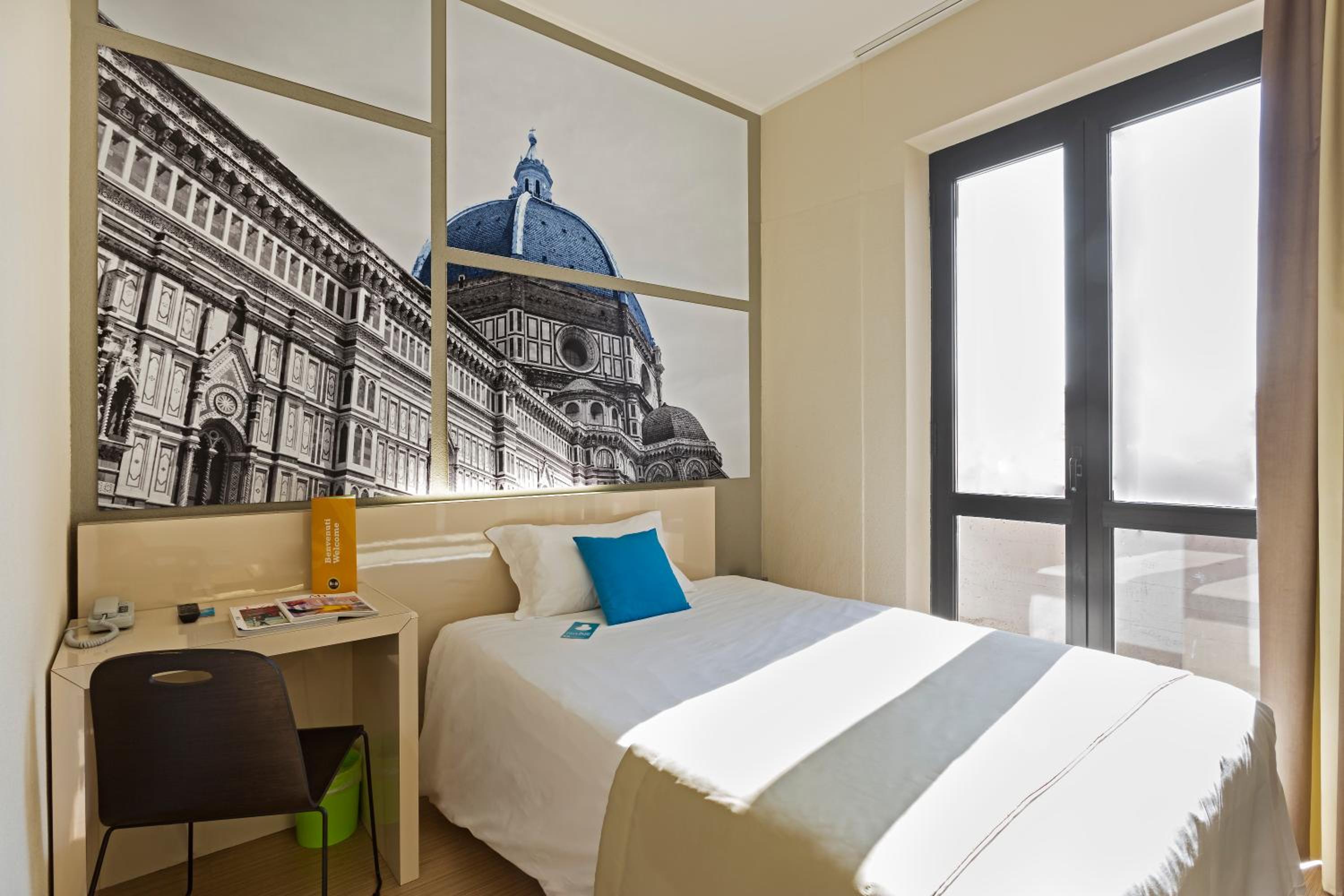
B&B Hotel Firenze Nuovo Palazzo Di Giustizia
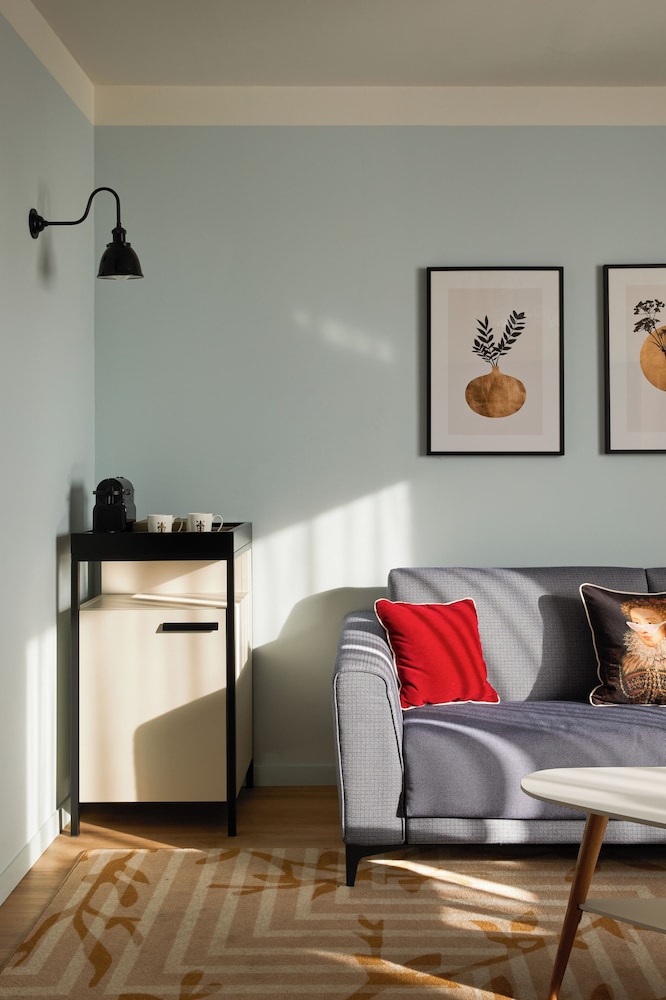
Hotel Indigo Florence by IHG
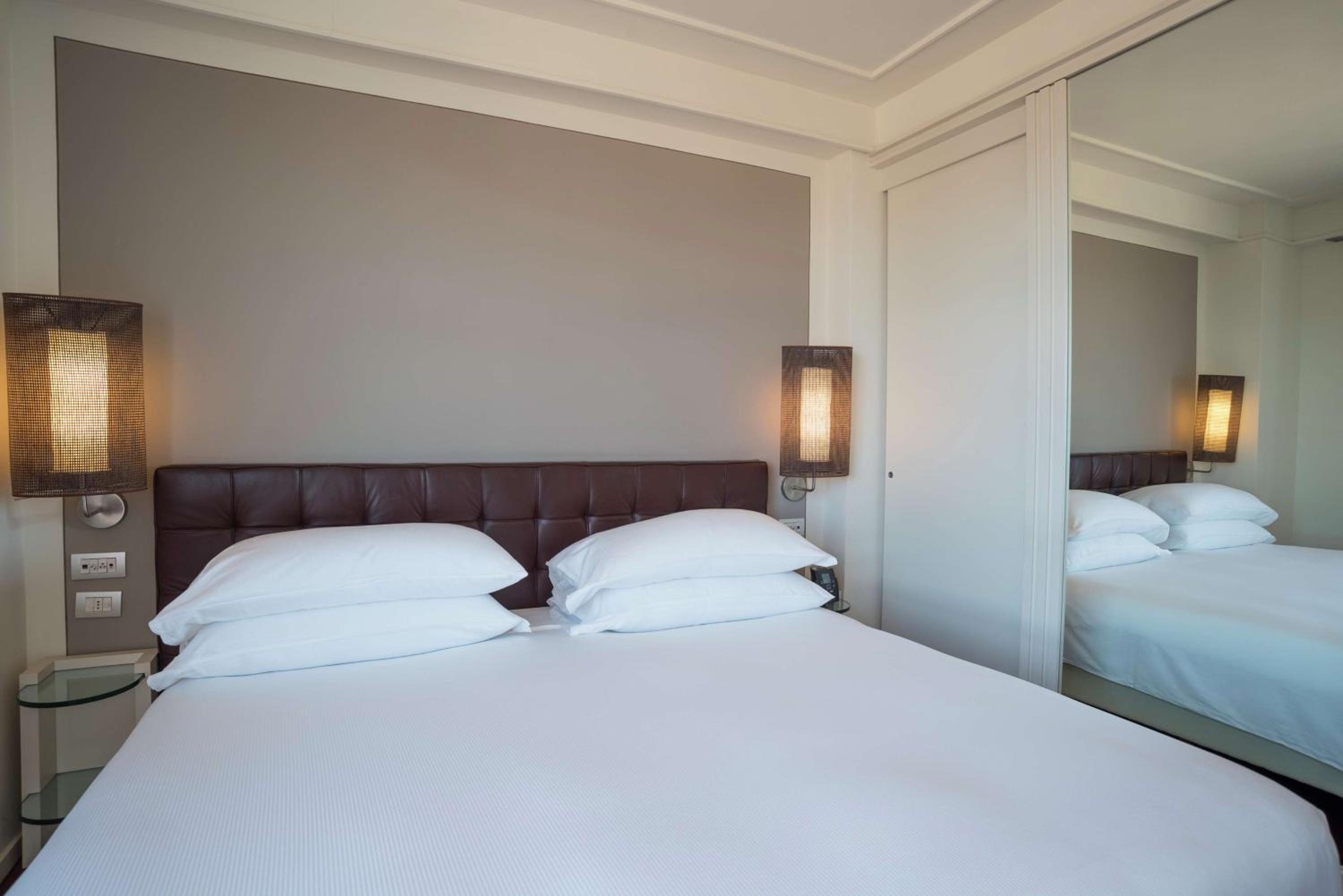
DoubleTree by Hilton Florence Metropole
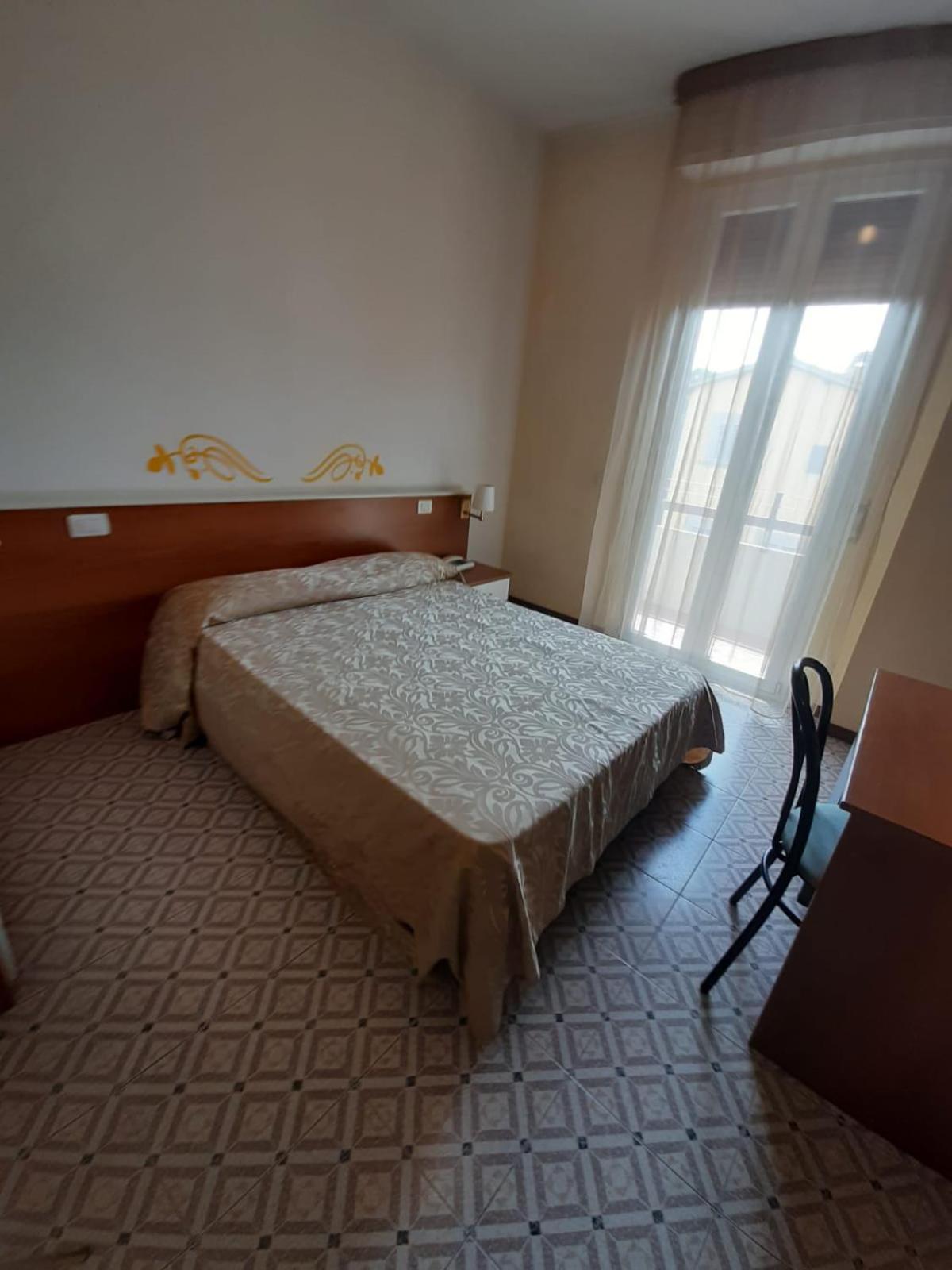
Mio Hotel Firenze
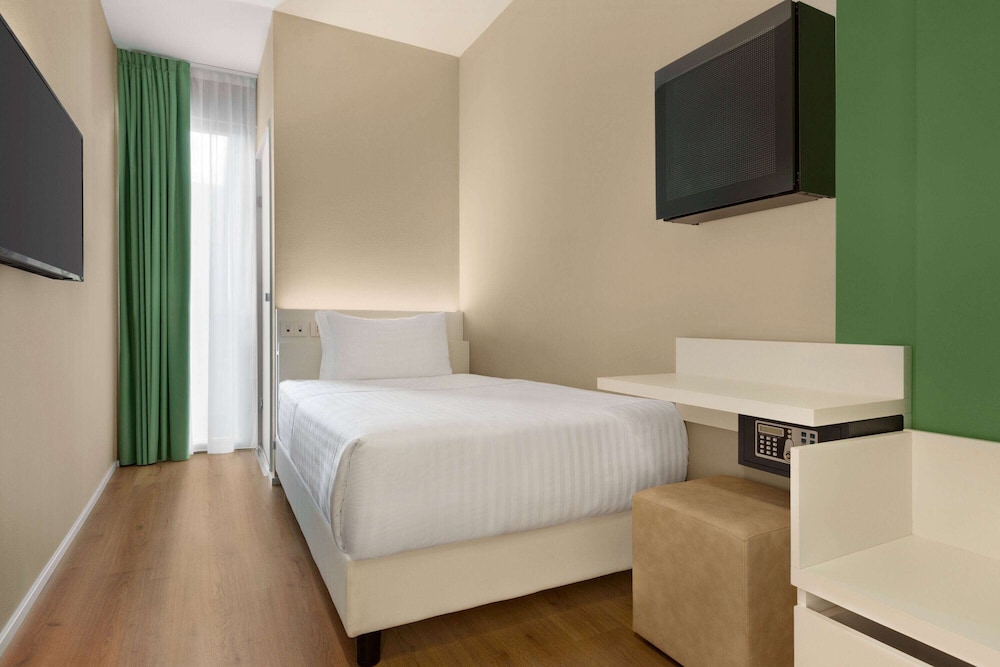
Wyndham Garden Florence
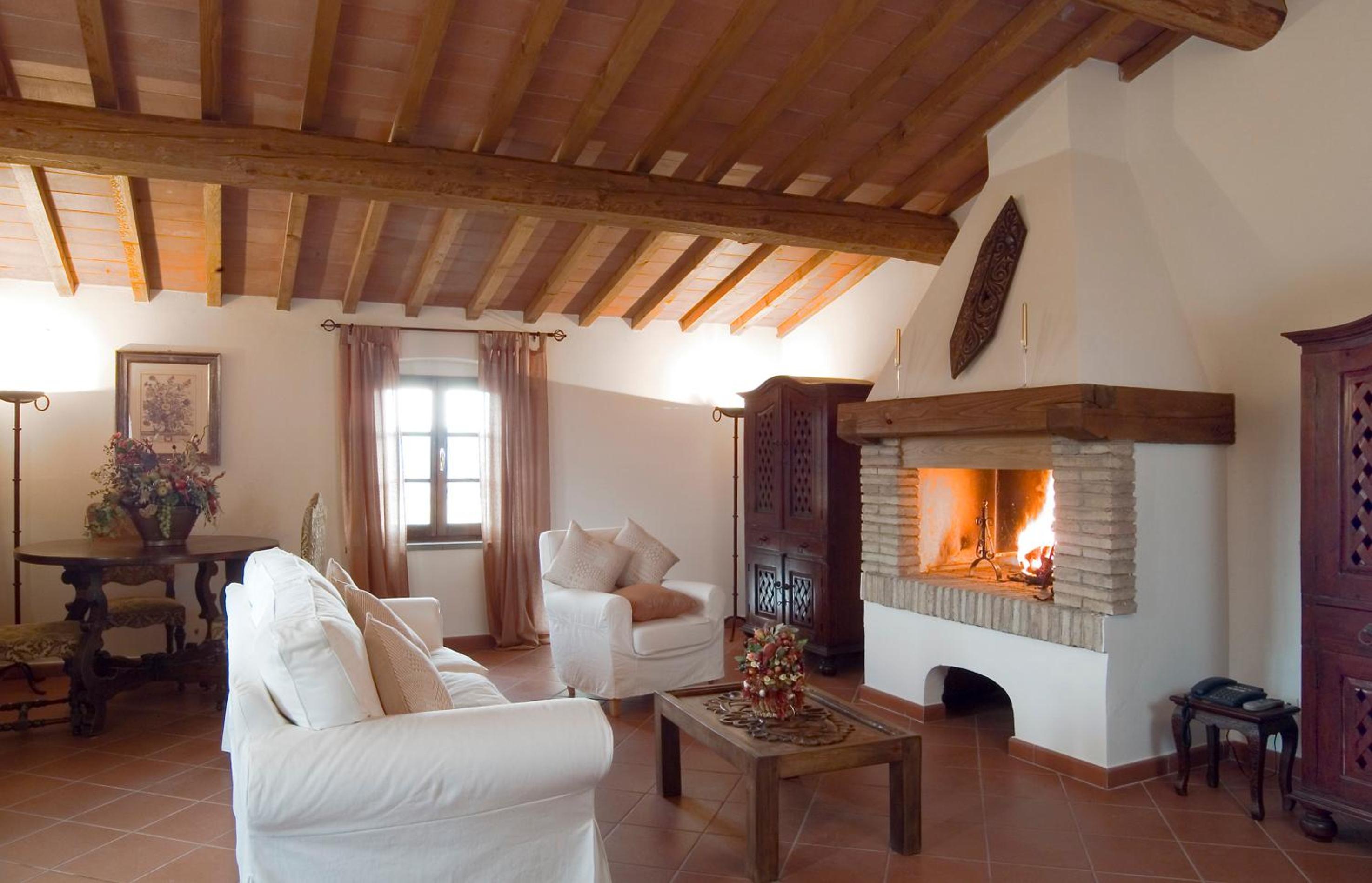
Le Torri
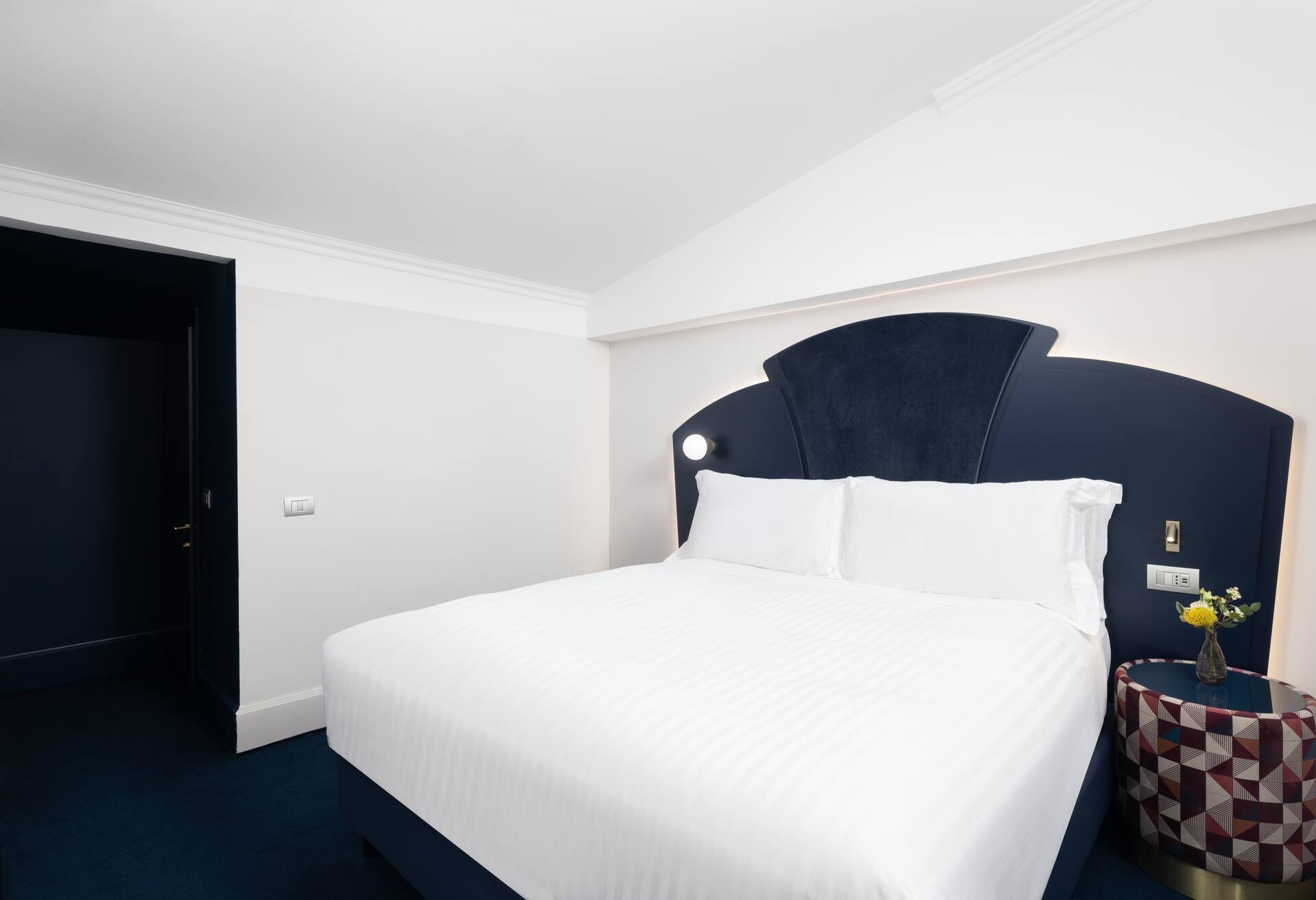
Anglo American Hotel Florence, Curio Collection By Hilton
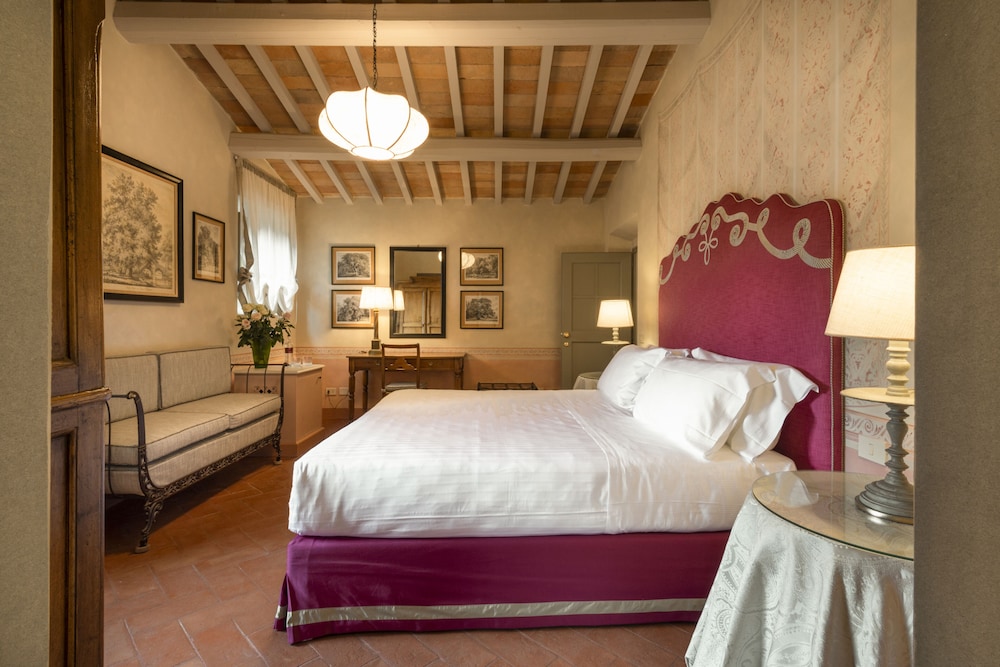
Torre a Cona Wine Estate
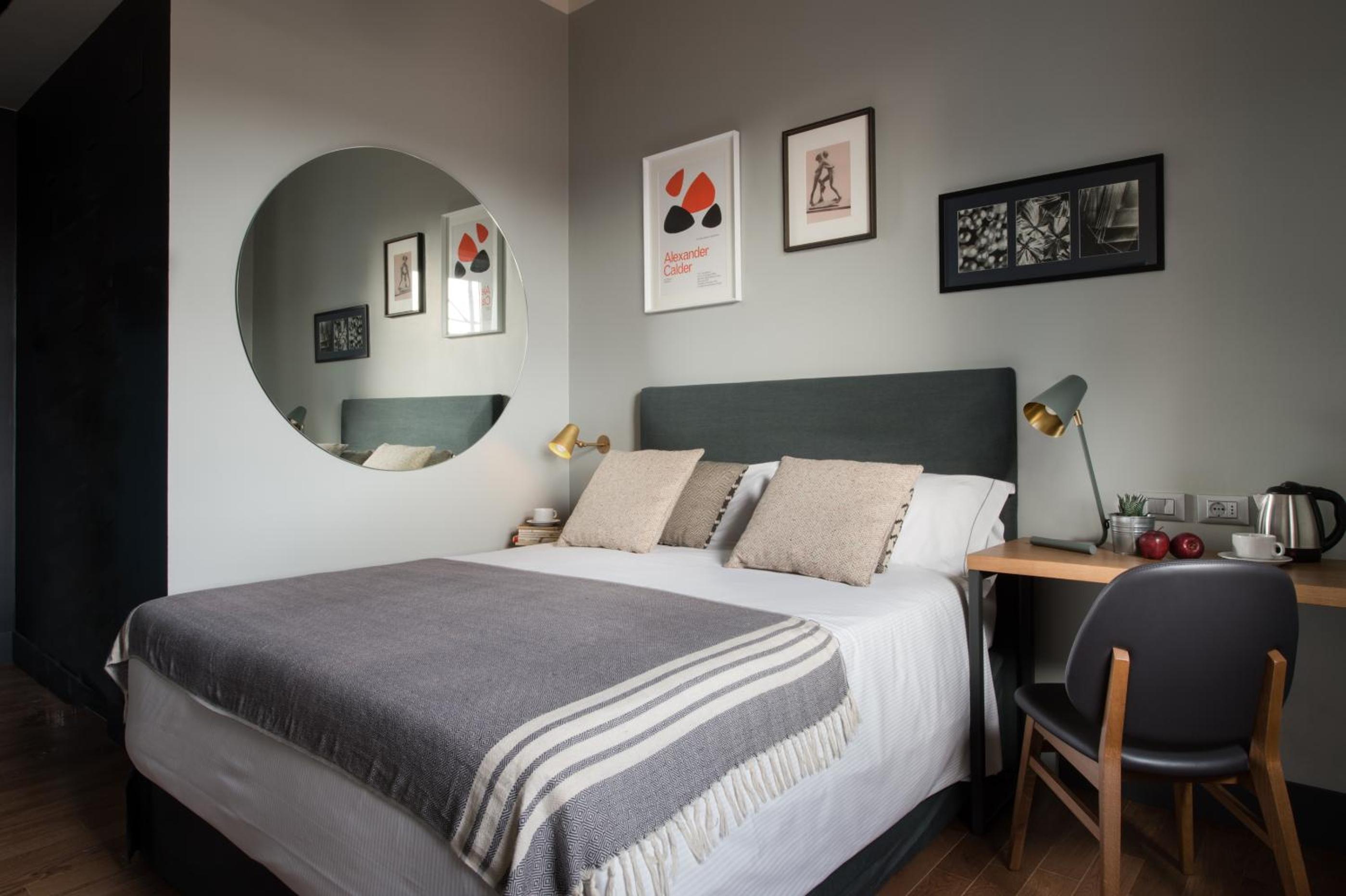
c-hotels Joy
Wheelchair Accessible Hotels in Florence
Florence at a Glance
- The historic centre is compact, but large stone slabs, cobbles, drainage channels, and narrow pavements slow wheelchair travel.
- Florence's tram network is low-floor and useful for reaching Santa Maria Novella, the airport corridor, and districts outside the core.
- The area around Santa Maria Novella is flatter and better connected than the hillside streets beyond the Arno.
- Pedestrian zones reduce car traffic, although bicycles, delivery vehicles, and dense visitor crowds still require attention.
Wheelchair accessibility in Florence
In Florence, Italy, the tram is the simplest accessible transport for journeys that fall along its routes. Santa Maria Novella is the main interchange for trains, trams, and city buses, with signed lift routes through the station. Autolinee Toscane buses serve more of the historic centre and surrounding hills, but boarding space and crowded stops can vary. Confirm the accessible stop and direction before travel.
Central Florence is mostly level between Santa Maria Novella, the Duomo, Piazza della Signoria, and the Arno. The challenge is the surface: worn stone, uneven joints, high kerbs, and very narrow pavements. Crossing the river toward Santo Spirito remains manageable near the main bridges, but routes climb as they approach Piazzale Michelangelo and hillside gardens. In rain, polished paving can become slick.
Finding the right accessible hotel in Florence
A hotel near Santa Maria Novella gives the easiest arrival by train and strong tram connections. The Duomo and major museums remain within rolling distance, but check whether the direct route uses crowded pedestrian streets. Ask the property to describe the entrance threshold, lift size, bathroom layout, and every step between the pavement and the guest accommodation.
Addresses around Santa Croce and Santo Spirito feel more residential, yet converted palazzi often have protected entrances that cannot be altered easily. Oltrarno also brings longer routes across bridges and possible gradients. A modern property just outside the tight historic core may offer a smoother door-to-transport journey while keeping the centre accessible by tram or an adapted taxi.
What makes Florence special for wheelchair users
Piazza della Signoria provides an open-air introduction to the city's sculpture and civic architecture. The Uffizi and Accademia use designated accessible entrances and internal lifts, so note the correct arrival point rather than joining the main queue automatically. Around the Duomo complex, broad views are available from street level even where towers and historic upper levels rely on stairs.
The Arno embankments offer memorable views of Ponte Vecchio without requiring a steep climb. Boboli Gardens are beautiful but include gravel, gradients, and terraced ground, making route selection important. For a gentler outdoor pause, choose flatter riverside stretches or central squares and allow extra time for surfaces rather than trying to cover the city at walking pace.